About the workshop
The rapid advancement of Generative Artificial Intelligence (GenAI) has revolutionized various fields, including natural language processing, computer vision, and creative industries. Models such as GPT, DALL·E, and others have demonstrated the immense potential of generative AI in creating realistic, coherent, and often groundbreaking outputs across a wide range of domains. However, the application of these generative models to scientific discovery and problem-solving remains an emerging area, filled with opportunities and challenges.
Science is inherently generative: it involves creating hypotheses, designing experiments, interpreting data, and communicating results. Generative AI has the potential to augment these processes by automating routine tasks, enabling hypothesis generation, synthesizing complex information, and uncovering insights from vast datasets. Scientific data is often sparse, noisy, and domain-specific, requiring models to understand and adhere to rigorous scientific principles and constraints.
The SymGenAI4Sci 2026 workshop aims to address these challenges and explore the transformative potential of generative AI in scientific research by bringing together researchers, practitioners, and domain experts.
Where
SEMANTiCS 2026 | Ghent, Belgium
When
September 15, 2026
Workshop Programme
September 15, 2026 · Half-day session · CEST (Vienna)
Welcome Session
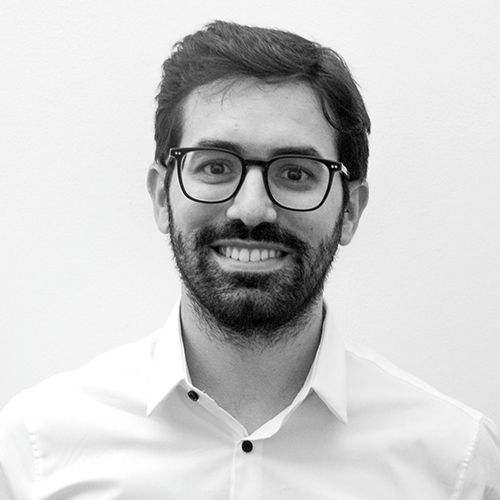
Sprinkling Semantics and AI into Metascience
Angelo Salatino · The Open University, UK
MAWCS: A Multi-Agent Workflow Scheduling Framework for Heterogeneous Models and Cloud Resources
Presenter: Goshgar Can Ismayilov
Lunch Break
LLM-Assisted Ontology Design for Restaurant Menu Data: A Case Study
Presenter: Ali Amini
KnowTD Interface: An Interactive Neuro-Symbolic Workflow for Thermodynamics Problem Solving
Presenters: Luisa Vollmer, Rébecca Loubet, Hans Hasse, and Heike Leitte
Layer-Wise Localization and Classification of Hallucinations in Large Language Models
Presenters: Naveen Lamba, Sanju Tiwari, Manas Gaur, and Daniel Dobriy
Closing Remarks
Workshop Topics
The workshop welcomes contributions on the following topics:
Symbolic and Generative AI in Science
- Model development and adaptation for scientific domains
- Symbolic and Generative AI for scientific discovery and innovation
- Addressing and mitigating hallucinations and biases in generative AI
- Evaluation and validation of generative AI models in science
- Metrics and benchmarks for assessing generative AI in scientific applications
- Case studies and real-world applications in scientific workflows
Symbolic and Hybrid Approaches
- Integrating symbolic reasoning with generative AI for scientific inference
- Ontologies, schemas, and knowledge graphs for structured scientific AI
- Hybrid AI approaches combining generative and symbolic reasoning
- Human-in-the-loop methods for enhancing generative AI in science
- Open information extraction and knowledge-graph-based approaches
Tools, Resources, and Societal Impacts
- Open-source tools, datasets, and platforms for generative AI in science
- Societal impacts and ethical considerations of generative AI in scientific domains
- Generative AI in education and outreach for scientific literacy
Advanced Techniques and Emerging Trends
- Exploring multi-modal generative models for scientific applications
- Deep learning and hybrid generative approaches
- Schema-guided generation and structured output modeling for scientific AI
Call for Papers
We welcome original research contributions in the following categories:
All papers will be peer-reviewed (single-blind) by multiple researchers.
Selected papers will be published with CEUR.
All papers should follow the 1-column CEUR format:
Important Dates
- Submission papers: June 25, 2026
- Notification of acceptance: July 30, 2026
(All deadlines are midnight Anywhere on Earth time.)
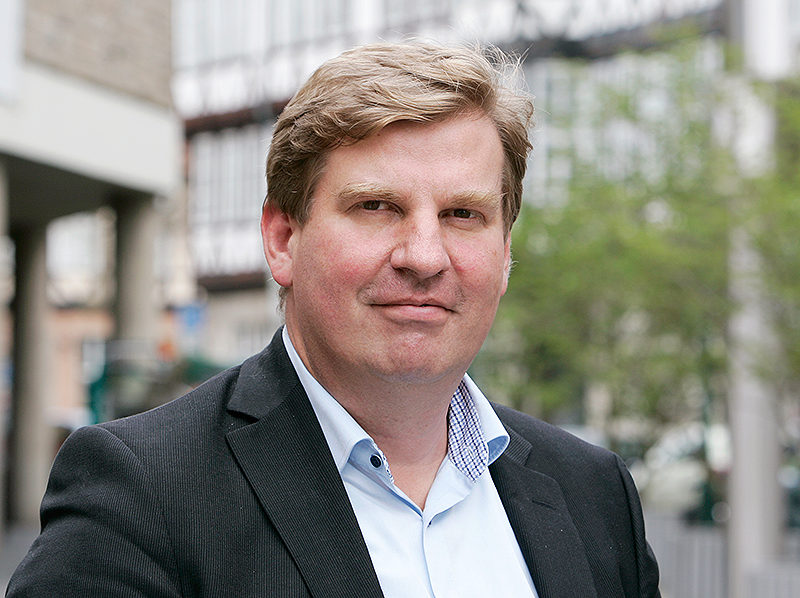
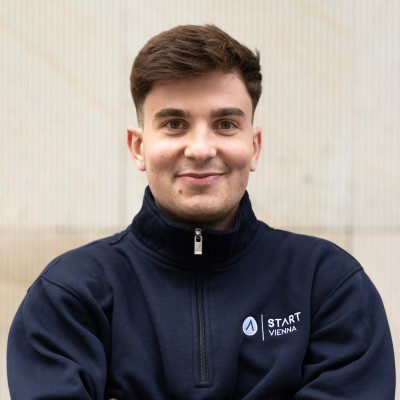
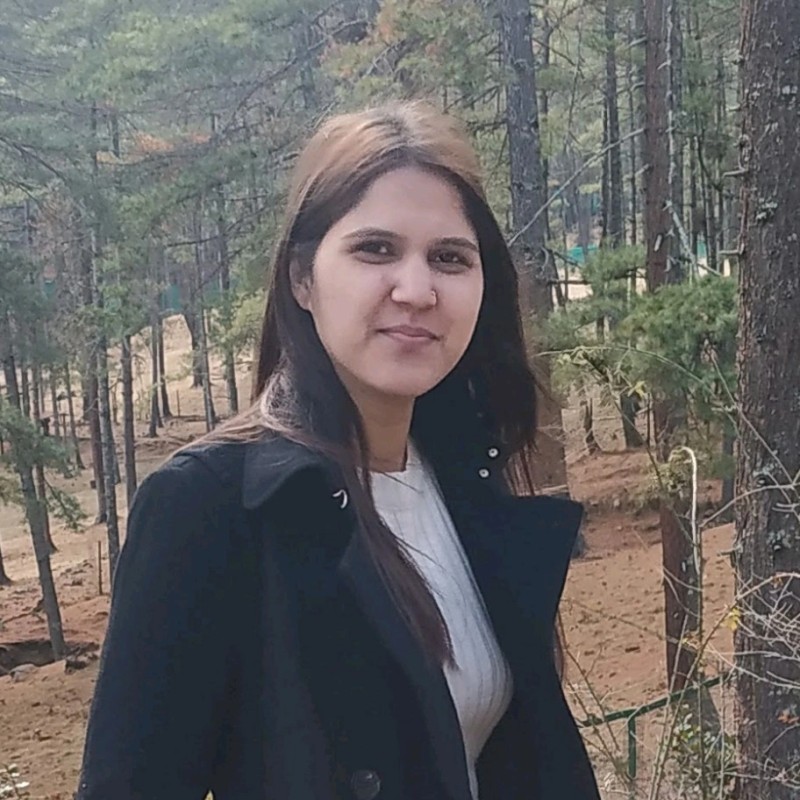
Organizing Committee
The organizing committee comprises experts in the fields of generative AI and Semantic Web.
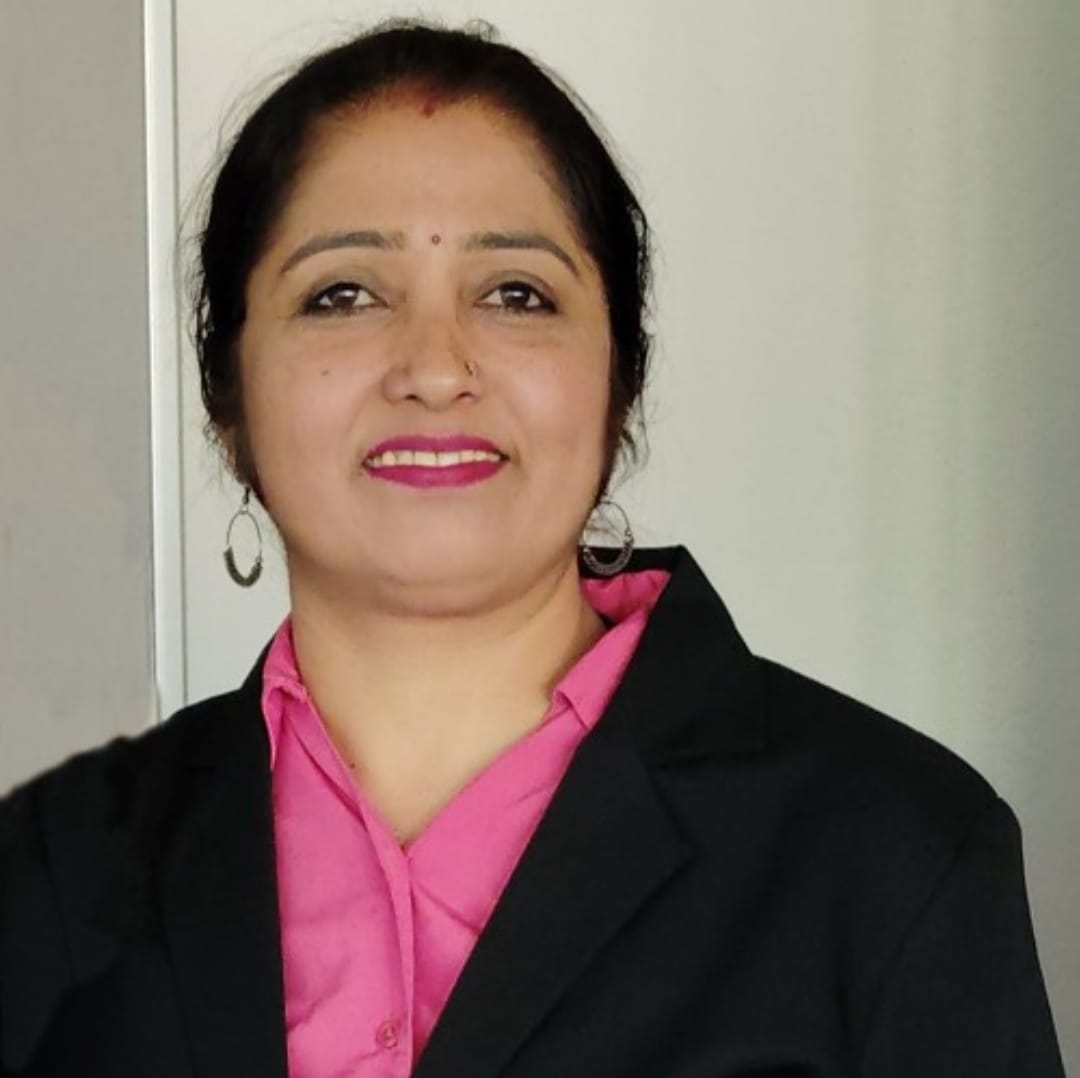
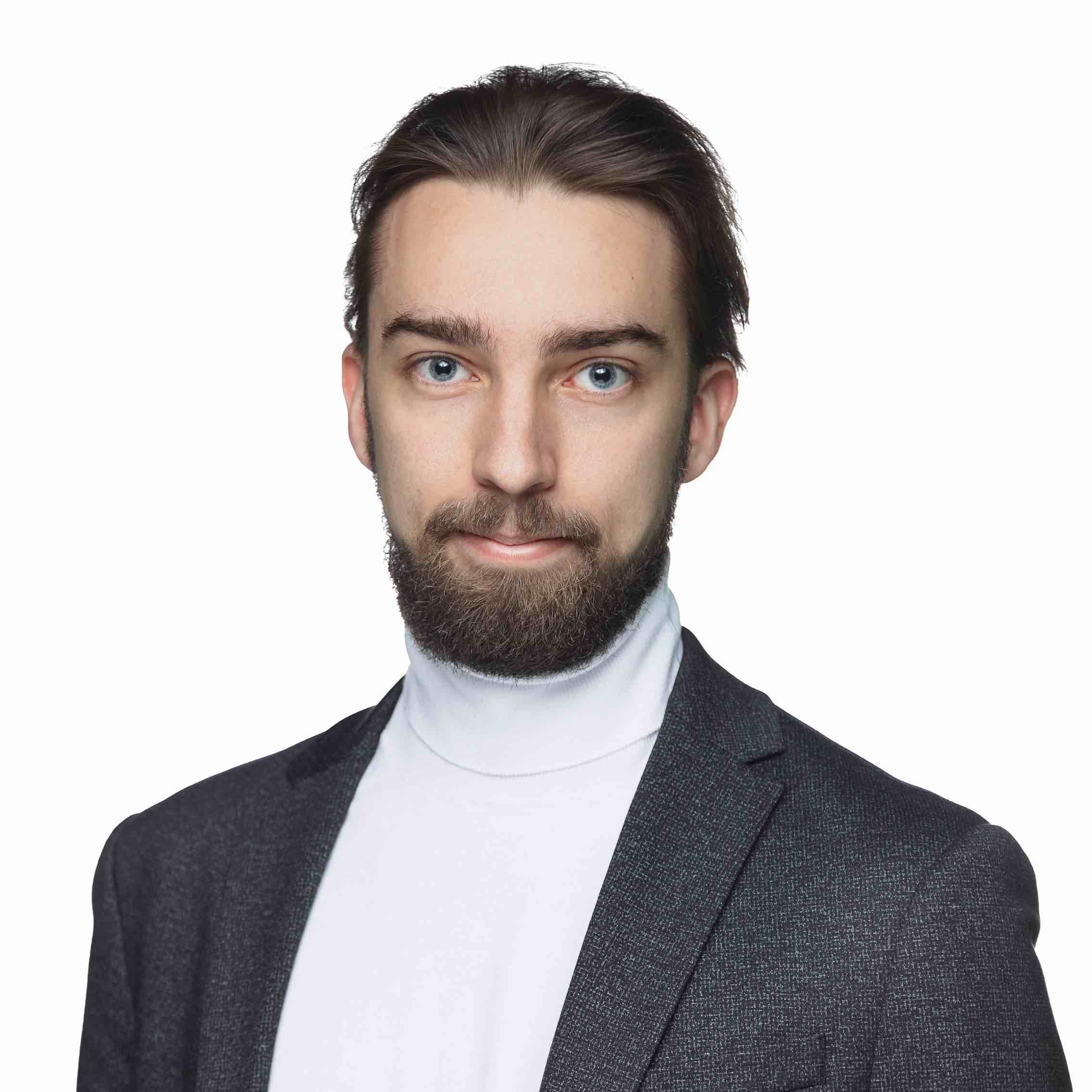
Publicity Chair
Naveen Lamba
Sharda University, Delhi-NCR India
Program Committee
Tentative Program Committee members with expertise in the field.
- Angelo Salatino, The Open University, UK
- Amna Dirdi, Birmingham City University, UK
- Davide Buscaldi, Université Paris 13, France
- Hamed Babaei Giglou, TIB Hanover, Germany
- Patience Usoro Usip, University of Uyo, Nigeria
- Azanzi Jiomekong, University of Yaounde, Cameroon
- Disha Purohit, TIB, Germany
- Francesco Osborne, The Open University, UK
- Lars Vogt, LIB, Bonn, Germany
- Allard Oelen, TIB, Hanover, Germany
- Carlos FEnguish, UAT Mexico
- Fernando Ortiz-Rodriguez, UAT Mexico
- Meriem DEZZAR, University of Khenchela, Algeria
- Fatma Chamekh, French National Survey, France